Monday, October 25, 2021

Baby Nursery Essentials


As you go through a myriad of emotions of finding out you are pregnant, shock, disbelief, excitement, finding out your due date, worrying about how things will go, then excitement again…you eventually arrive to the “nesting” phase. At this phase, you start thinking about preparing your home for your newborns arrival. Commonly, this phase kicks in around 20 weeks, which is around the time you have your ultrasound to find the sex of your baby. 

Here are some baby nursery essentials to think of having on hand as you prepare a safe nurturing space for your baby to sleep, feed, change, play, travel, and develop. 


Baby sleeps: Babies usually wake up every 2 hours, and then start sleeping through the night after ~ 4-6mo.


·      Crib (with waterproof mattress cover, fitted crib sheets, and Crib bumper)

o   Baby dock (with removable zipper cloth, used at 0-8mo., can also be used to help teach baby to sit on tummy)

o   Bassinet (with rollers & storage space on the bottom for changing essentials; used at ~3-4mo.)

·      Swing/rocking chair, or bouncer chair (used until ~6mo.)

·      Dimmable bedside night lamp (plug in, touch, or floor lamp)

·      Black out curtains


Baby Feeds: Babies usually feed every 2-3hrs for the first couple of months, and then transition to solid foods ~ 6mo when they usually start teething.


·      Rocking Nursery chair

o   Breast Milk Pumper (You can request to get one from your insurance/hospital)

o   Nursing pads (used at 0-3mo.)

o   All-natural Nipple cream/butter (Unscented, and free of additives, preservatives, pesticides)

·      Nursing pillow (With removable zipper cloth, can also be used to help teach baby to sit)

o   Burp cloth (Medium sized to put on shoulders to help burp baby).

·      4 Pacifiers (Avent soothie)

o   Pacifier catcher

·      Bottle (with a slow- flow nipple to help prevent overfeeding and an upset stomach)

·      High chair, or Infant chair with feeding tray (used at 6-24mo.)

o   Baby bibs


Baby changes and hygiene:  Babies are usually able to be toilet trained, and stop using diapers after 18 mo.


·      Diaper backpack/bag, or caddy (Something portable you can take in the car, and/or store under the stroller, or bassinet).

o   Diapers (newborn size needed for only the first 2 weeks)

o   Diaper rash ointment (A & D, Aquaphor)

o   Diaper pail with lid

o   Diaper bags

·      Wet wipes

·      Bath support 

o   Baby nail clippers

o   Unscented Castile liquid soap

·      Teething ring

o   Ora jel, soft finger slip tooth brush (used at 6-36 mo.)

·      First aid kit

o   Tools: Infant thermometer, medicine syringe, band aids, gauze pads/cotton balls.

o   Pain killers: Infant liquid Tylenol/Motrin, pain spray.

o   Decongestants: Bulb syringe/nasal aspirator, saline nasal drops

o   Stomach upset: Gripe Water/Simethicone baby gas drops, miralax, antidiarrheal, electrolyte powder

o   Other: Hand sanitizer, wound cleanser, antibiotic cream (Neosporin)


Baby Wears:  Since your baby will outgrow their clothes quickly, get 3-5 pieces per stage, and more clothes for 6m +.


·      Clothes 

o   5 Short sleeved onseies (plain white, or patterned, organic cotton)

o   5 Long sleeved onseies (plain white, or patterned, organic cotton)

o   5 Sleepers (with zippers and footies)

o   Footed pants

o   Hat/bonnet

o    Cotton tights

·      8-10 stretch Muslin swaddle blankets (used to wrap baby, or as a nursing cover)

·      Wardrobe dividers 


Baby Travels: After a couple weeks inside, you and baby will want to go outside to change things up a bit.


·      Stroller

·      Car seat (that can attach to the stroller as well)  

o   1 nice heavy blanket to put over car seat/stroller.

·      Baby wrap (0-24 mo) or Baby carrier (3-36mo)


Baby Plays & Develops: Playing is a good way to bond with your baby, and encourages healthy child development. Consider getting baskets to store the toys in a way that is accessible to the child.


·      Sight

o   Books (Get black & white books for 0-3mo.)

o   Brightly colored, or geometrically woven cotton rug

o   Slow moving mobile that allow you to switch out the toys

o   Mirror

·      Sound

o   Bluetooth speaker (play soothing white noise, piano music, or nursery songs)

o   Rattle

·      Smell

o   Potted lavender/Jasmine plant.

o   Baby safe essential oil

·      Taste

o   Teething ring

·      Touch

o   Play mat (with removable/interchangeable hanging toys)

o   Massage oil

o   Sheepskin rug

o   Things they can feel of different texture, color, size, and weight.


Above all... just remember, your baby will need your presence, attention, and awareness more than any of the stuff you can buy. 


What baby essentials do you find helpful? 


Photo source: newtonbaby.com

#pregnancy #babyessentials #babynursery #secondtrimester #Healthystrongbeautiful  #HSBvibes #HSB #thrive #optimism #lifeperspective #awareness #healthpromotion #diseaseprevention #wholistichealth #healthyliving #nurseselfcare #mentalhealth #physicalhealth #spiritualhealth #Healthandfitness #healthcoach #wellnesscoach #lifestylecoach #healthandwellness #selfcare #takingcareofyourself

Friday, October 15, 2021

Gut Health: 10 ways to help prevent constipation

If you strain to have a bowel movement, pass dry/hard/lumpy stools, or have less than three bowel movements per week, you may be constipated. Constipation is a sign your gut might be out of balance. Maintaining a healthy gut not only will help you digest your foods better, but improves your overall physical and mental health. After all, your gut is the source where all your energy to your body comes form. Here are some tips to helping you prevent constipation. 


1.    Drink Warm Water:  Stay hydrated by drinking at least half your body weight in ounces a day (i.e. 150lb person would drink 75oz of water, which equates to ~9 cups/day) 

·     Drinking in a squat position helps create pressure within and promote bowel movement

·     Also, you can eat more water containing foods (i.e. soups, watermelon).

·     Dink Tea: Especially, ginger, mint, dandelion, licorice root, and senna teas.

vRecipe: In a cup of hot water, add 1 piece of grated gingerroot, tear in some mint leaves, and let it steep for ~ 10 minutes. Drink this 2-3x/day after meals to help sooth stomach lining. 


2.    Eat more Fiber: Women should consume 21-25 grams, while men 30-38 grams of fiber a day to help soften (insoluble fiber) and bulk up (soluble fiber) your stool. 

·     Sources of Fiber—Fruits (i.e. prunes/black raisins), Veggies (i.e. cabbage, beets), Whole grains (i.e. oats, brown rice, quinoa, rye, barley), Nuts/seeds (i.e. Almonds, chia, pumpkin, sunflower), Beans/lentils.

vRecipe: Soak prunes/raisins ~10-15 min, and eat 3-4prunes/day, or ¼ cup raisins/day, or ~1 tsp of its jam/day. This will store well in the fridge for ~4 days

vRecipe: Blend and drink 1-2 tsp of chia seeds soaked in 1 liter of water

vRecipe: Blend and drink 1 cup of cabbage with 1 cup water.

vRecipe: Boil 3 cups of water, and 1 cup of old fashioned oats, and let it simmer on low heat for ~20-30 minutes until water is absorbed. Enjoy a bowel for breakfast. This will store well in the fridge for ~4 days

·     Avoid low fiber foods (i.e. cheese, milk, eggs, meat, white processed bread, fast foods), or at least balance the meal with high fiber foods.


3.     Eat more Prebiotics and Probiotics: Prebiotics (plant based fiber) help provide food for the healthy probiotic bacteria in your gut. Thus, promoting a healthy gut flora that helps digest the food into nutrients your body can use. 

·      Sources of prebiotics – Onions, garlic, chicory, bananas, asparagus, artichokes.

·      Sources of probiotics –  Fermented food such as pickled vegetables, sauerkraut, kimchi, miso, tempeh, kefir, yogurt with Lactobacillus acidophilusand/or Bifidobacterium bifidum.


4.    Eat more Healthy Fats: To help stimulate the forward motion in the colon. 

·     Sources of healthy fats – Avocado, olives, nuts/seeds, wild salmon, coconuts.

vNote: Fats do take longer to digest. Avoid saturated fats, trans fats, and deep-fried foods. 


5.    Eat more Magnesium: To help draw water into your intestines, and soften your stools.

·     Sources of Magnesium—Nuts/seeds, dark chocolate, leafy greens (Spinach, collard greens), unprocessed plant foods.


6.    Adjust your diet: 

·     Irritable bowel syndrome with Constipation (IBS-C): If you have abdominal pain/bloating with your constipation, you might have IBS-C. Consider eliminating high FODMAP (Fermentable oligosaccharides, disaccharides, monosaccharide, and polyols) foods in your diet and then slowly reintroducing them to find out which ones your body can tolerate.

·     Gluten intolerance or Celiac disease: Avoid gluten protein containing foods such as grains (wheat, barley, rye).

·     Lactose Intolerance: Avoid milk/dairy products if have sensitivity to protein found in cow’s milk. 


7.    Exercise daily: To help your gut move things along, preferably after your meals for ~30 min/day. 

·     Gently massage stomach in a clockwise motion to help move stool along. 


8.    Reduce stress and get enough sleep: To help your gut relax/digest get at least ~7-8 hrs of undisturbed sleep. 

·     Avoid large meal just before sleep. 


9.    Incorporate mindful eating: Chew slowly and in a relaxed way.


10. Incorporate bowel training: Go to the bathroom at the same time every day, and when needed. Preferably, ~20-40 min after eating.


What habits do you do to help promote gut health and prevent constipation?


Photo source: badgut.org

#physicalhealth #guthealth #nutrition #Healthystrongbeautiful  #HSBvibes #HSB #thrive #optimism #lifeperspective #awareness #healthpromotion #diseaseprevention #wholistichealth #healthyliving #nurseselfcare #mentalhealth #physicalhealth #spiritualhealth #Healthandfitness #healthcoach #wellnesscoach #lifestylecoach #healthandwellness #selfcare #takingcareofyourself
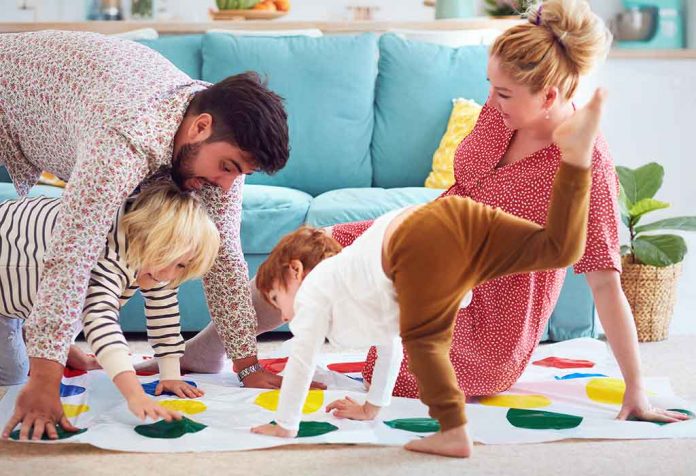
100+ Family Friendly Activity Ideas To Help Make Memories With Your Kids This Year

You have ~18 Summers to create the majority of the lasting memories and connections that you will have with your child. After that, the shar...