You have ~18 Summers to create the majority of the lasting memories and connections that you will have with your child. After that, the shared time together drastically drops, and the months-long period of shared family time is no longer guaranteed.
Your children are little for ~4-5 years, and then they start school. Before you know it, they are already 12 and their childhood has passed by as quick as sand slipping through your fingers. This is time you cannot bring back, and further accentuates the importance of living life with intention.
Below you will find a list of different family friendly activities you can implement as an intentional parent to help build strong bonds through consistent, purposeful, and distraction-free quality time.
Spring/ Summer Activities:
Indoor activities close to home:
1. Participate in a Summer reading program
Outdoor Activities/Games close to home:
2. Jump on a trampoline
3. Watch the clouds/sunset, stargaze, birdwatch
4. Climb a tree, find a 4-leaf clover, roll down a hill.
5. Go on a bug hunt and catch bugs, photograph butterflies, make mud pies, or plant something
6. Plant a butterfly garden, or veggie/herb garden
7. Run in the sprinkler, play in a blow-up pool, paint with water, have a water balloon/water gun/sponge ball fight, or play on a slip-n-slide
8. Have a backyard campfire/bonfire, or camp in the backyard
9. Draw with chalk
10. Melt ice cubes on pavements
11. Wash the car at home, or host a drive-by carwash
12. Watch fireworks, and play with sparklers
13. Plan a scavenger/treasure hunt, set up an obstacle course
14. Play a sport (i.e. soccer, kickball, tennis)
15. Play catch or yarrdzee (aka lawn Yahtzee)
16. Play tag/freeze tag, hide-n-seek with glow sticks, laser tag, flashlight tag, or have a shaving cream fight
17. Play hopscotch, double Dutch jump rope, or have a hula hoop contest
Crafts/Things to make:
18. Make dandelion/daisy crowns
19. Make a bird feeder/house
20. Make glow bubbles, sock bubbles, giant bubbles, or just blow/play with bubbles
21. Make/build a rope swing
Visit:
22. Go on a bike ride
23. Organize a picnic at the park.
24. Tour a new playground/boardwalk, Feed the ducks
25. Go on a family nature walk/hike to a waterfall or national park.
26. Go to a splash pad park, community pool, or water park and slide down a waterslide, and teach kids how to swim.
27. Visit a farmer’s market
28. Go thrift store/garage sale shopping
29. Visit an amusement park and ride a Ferris wheel/carousel/kids train/roller coaster
30. Visit a farm, petting zoo, aquarium, air show, race track, or science center
31. Go to a parade, county fair rodeo show, demolition derby, or family-friendly outdoor concert
32. Get tickets for an event (i.e. baseball game, circus/carnival, ice show, play, musical, concert)
33. Attend a miniature golf course, trampoline park.
34. Attend a “fun color run” as a family.
35. Got to a lake/river and learn how to skip rocks.
36. Go on a boat ride/cruise
Food:
37. Get an ice-cream cone from an ice-cream truck, or make homemade popsicles or ice-cream in a bag.
38. Make/drink Sun tea, and have a tea party.
39. Make/drink fresh lemonade, and set up a lemonade stand.
40. Go picking fruit (i.e. strawberry) and bake a pie.
41. Make fruit leather, lollipop suckers, banana split, kombucha/root beer floats, and/or smores together.
42. Eat watermelon smile slices, or corn on the cob.
Other:
43. Start an Easter family Tradition (i.e. Easter egg hunt).
44. Join a Summer camp (i.e. church, sports, art, horseback riding, drawing, pottery, history etc.)
45. Join a class (i.e. drawing, gymnastics, dance, martial arts, cooking, swimming etc.)
46. Get a backstage tour (i.e. animal encounter aquarium dolphin swim, tour a factory (ice-cream, chocolate, coffee etc.)
47. Organize a street/block party, or neighborhood BBQ.
48. Organize a weekend road trip (i.e. camping trip, fishing trip).
49. Organize a Family beach trip: To swim at the lake “beach”, bury toes in the sand, build sand castles, find seashells, play beach Frisbee/volleyball, or fly kites.
50. Schedule/do a family photo shoot
Fall/Winter Activities:
Indoor activities close to home:
1. Play with clay/ playdough
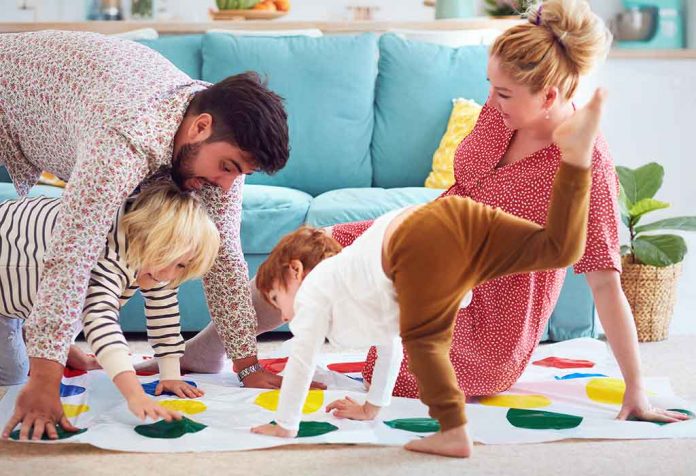
2. Play a family-friendly board/card game, finish a giant puzzle, play twister, jax, bean bag toss
3. Play “Simon says”, “I-spy”, rock-paper-scissors, thumb wrestle, have a staring contest, charades.
4. Play “floor is lava” with cushions, have a pillow fight
5. Create a secret handshake
6. Decorate your room
7. Learn about family history (i.e. look at family photos/albums, watch family videos)
8. Build a blanket fort, play with cardboard box, build a Lego city
9. Hold a family game night, Put on a play/talent show, Pretend play (i.e. being a doctor, firefighter, having tea).
10. Host a slumber/sleepover party
11. Make a movie, write a song/poem, form a band, have a movie night, watch a movie from childhood.
12. Create a one second a day video
13. Read a book, learn new jokes, learn a magic trick, learn to juggle
14. Learn the Macarena or other dance move, play an instrument (ukulele)
15. Learn a new skill (i.e. finances, saving account).
Outdoor Games/activities:
16. Make angels in piles of leaves.
17. Play/dance in the rain.
18. Play in the snow, build a snowman.
19. Go sledding/ice blocking, or ice skating.
Crafts/Things to make:
20. Make leaf crown and/or paintings/rubbings.
21. Make paper snowflakes and decorate the home with them.
22. Make a marshmallow toothpick fort.
23. Make balloon animals, paper guitars
24. Make shadow puppets/sock puppets, or brown paper bag puppets
25. Do a STEM experiment, make slime/Oobleck/GAK.
26. Make tie-dye T-Shirts, fold origami/paper airplanes, learn to sew, make a paper wind sock
27. Paint/draw each-other, or your family portrait, make hand paintings, face paint, paint rocks, watercolor paint, paint pottery, google “how to draw,” do marble painting, color, Jello pudding paint, fingerpainting, crayon art
Visit:
28. Attend a fall farm festival and enjoy a wagon hay ride, carve/paint pumpkins or apple bobbing
29. Go bowling, roller skating/blading/go-karting
30. Go indoor rock climbing, go to a bounce house
31. Go on an individual date (i.e. have a Spa Day/night, pamper with pedicures, shop and lunch date)
32. Go picking (i.e. apple, huckleberries, mushroom, pumpkin)
33. Visit the Library, Pet store, Open gym at gymnastics, Museum, Fire station, a state landmark, a garage sale
34. Go to a 1$ movie and ice cream, or watch movie outside
35. Go to Home Depot kids workshop, Michael kids craft session
36. Volunteer together
37. Go on a bus ride, go geocaching
38. Take a Family ski trip
39. Take kids to Disney world and Disneyland
40. Take an international trip
41. Experience: hot air balloon ride, horseback ride, rock climbing, escape room etc.
Food:
42. Bake cookies, strawberry shortcake, or another favorite special event treat (i.e gingerbread house)
43. Make pizza, and/or Jello
44. Make cereal/popcorn necklaces
45. Have a hot chocolate/cocoa station, or imagine opening your own café
46. Have a family bake-off trying a new recipe
47. Take a virtual cooking class
Other:
48. Start a Thanksgiving Family Tradition. (i.e. Put up thanksgiving decorations, make a meal together, do a 21-day gratitude challenge)
49. Start a Christmas family Tradition (i.e. Put up Christmas lights/decorations, make/wrap gifts together, watch a Christmas movie, cut down a Christmas tree, donate to Operation Christmas child, go caroling)
50. Make/Create family goals, a travel bucket list, time capsule, write letters to future selves, do yearly interviews
51. Have a family pet, grow a frog
52. Plan a family reunion/trip, visit grandparents/extended families.
53. Host an overseas student
Photo source: first cry.com
#familyhealth #relationshiphealth #intentionalparenting #fungameideas #bucketlist #indooractivities #outdooractivities #Healthystrongbeautiful #HSBvibes #HSB #thrive #optimism #lifeperspective #awareness #healthpromotion #diseaseprevention #wholistichealth #healthyliving #nurseselfcare #mentalhealth #physicalhealth #spiritualhealth #Healthandfitness #healthcoach #wellnesscoach #lifestylecoach #healthandwellness #selfcare #takingcareofyourself


